Project ADAM led by Cook Children's
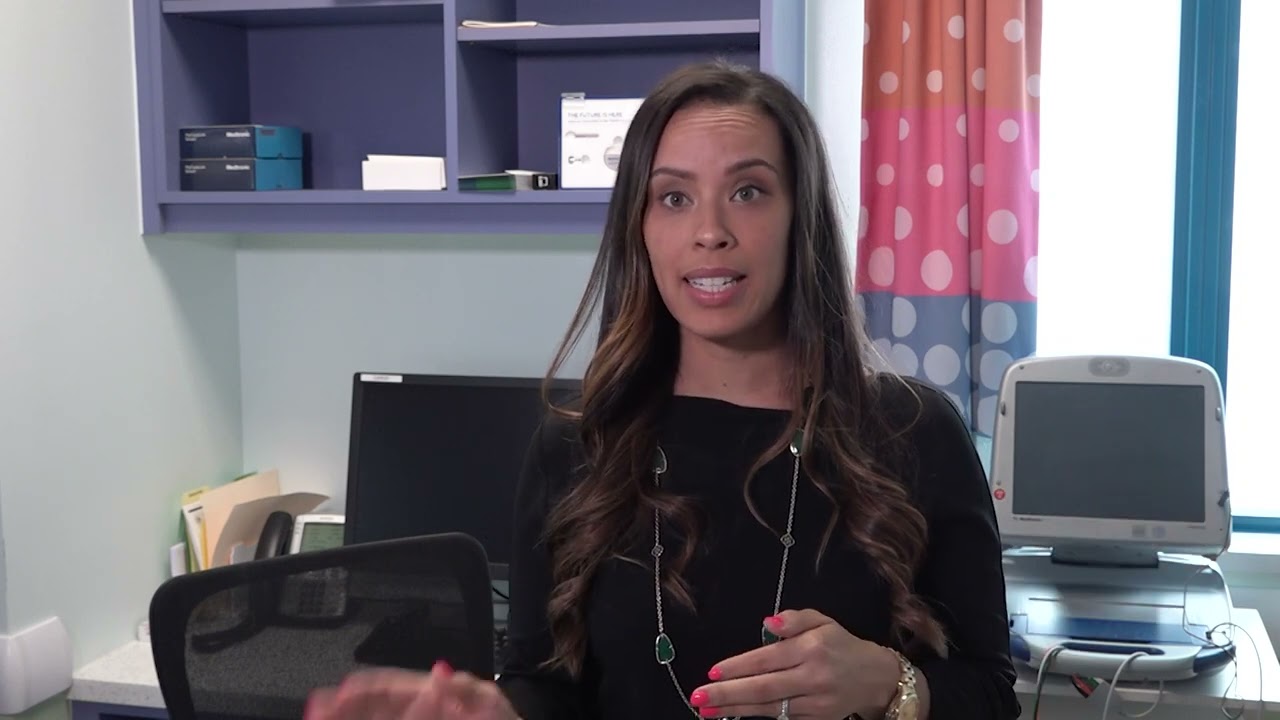
Watch this video and see how Project ADAM intercepted and impacted this family. This program is saving lives through awareness of sudden cardiac arrest in children.
Project ADAM's mission is to educate schools, nurses, coaches, trainers, parents, and community organizations about sudden cardiac death. Our program provides free cardiac emergency preparedness resources and training to schools nationwide. Cook Children's is proud to be one of over 30 program locations, with a goal of increasing sudden cardiac death awareness and establishing emergency protocols that lead to a timely and lifesaving response.
Your contributions help our Project ADAM team provide equipment and establish emergency programs that help the children and communities we serve.
What is Project ADAM?

The ADAM Act
On July 1, 2001, President George W. Bush signed the ADAM Act into law. With senators Russ Feingold (D-WI) and Susan Collins (R-ME) serving as the impetus for the passing of this act, the ADAM Act has been designed to establish a national clearinghouse modeled after Project ADAM that serves as a resource center for schools across the country wishing to implement a public access defibrillator (PAD) program.
What Project ADAM provides
While Project ADAM Texas can serve as a resource for other organizations, the primary goal is to provide schools across Texas with the necessary tools and education to plan, fund and develop their public access defibrillation (PAD) program.
What is an AED?
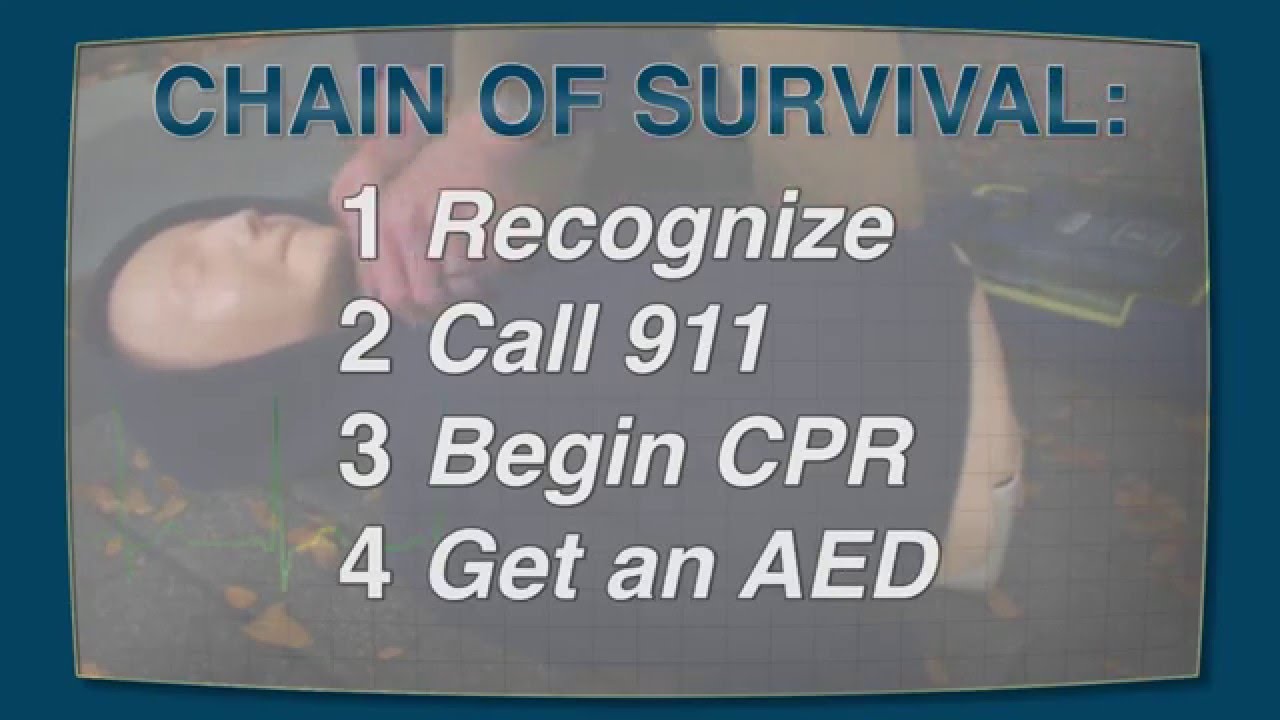
Sudden cardiac arrest (SCA) is when the heart suddenly and unexpectedly stops beating. SCA often occurs in active people with no history of heart conditions. In children, common causes are genetic, congenital or related to a sudden blow to the chest. If treated quickly, using an automated external defibrillator (AED), it is possible to restart the heart and increase the chances of survival.
An AED is a safe device, designed and tested in both children and adults. Each AED is supported by the FDA to appropriately detect ventricular fibrillation (shockable heart rhythm). Cardiac arrest is reversible in most victims if it is treated within a few minutes with an electric shock to the heart to restore a normal heartbeat. This process is called defibrillation. A shock delivered by an AED within 3-5 minutes can save a life and for every minute that passes, survival rates drop by 10%.
Why is there a need?
- Public access defibrillation programs such as Project ADAM ensure the best chance of survival for victims of sudden cardiac arrest by providing emergency preparedness training and resources.
- The first step is creating a CPR/AED trained emergency response team, a written emergency response plan that includes the AED(s), educating all staff and implementing bystander CPR/AED training. In rural areas, the need becomes even greater. The response time of EMS can be as short as three minutes or as long as 30 minutes. For each minute that passes, the chance of survival falls by 10 percent.
Why schools?
All Texas public and charter schools are required by state law to have an AED on every campus. But it's not enough to simply have the equipment. There needs to be trained first responders on site.
When schools have been trained and you have a plan in place, lives can be saved from sudden cardiac arrest. An emergency plan and staff training are critical. Without a written plan and AED drill in place to practice a school’s emergency response, you can end up with chaos.
School-based CPR and AED programs establish a community of first responders. First responders improve the likelihood of survival for students, school staff and visitors with sudden cardiac arrest, and should be encouraged in all schools.
It is estimated that 20% of our population are in our schools on any given day. By focusing our efforts toward schools, we are able to reach both young people and adult staff and visitors to the schools in a systematic and efficient manner. Studies strongly support the use of CPR and AEDs in the event of sudden cardiac arrest. When school response teams are trained in appropriate recognition and response, survival rates soar.

Damar Hamlin's cardiac arrest put focus on Project ADAM program
Danielle Moyé, M.D., pediatric cardiologist and physician director for Project ADAM at Cook Children's,shares how AEDs and CPR can save lives in schools and the community.
Heart safety for youth sports
The likelihood of sudden cardiac arrest in children and young athletes is known to be enhanced by athletic participation. On average, a seemingly healthy young person suffers a sudden cardiac arrest every three days in the U.S., and it's the leading cause of death in exercising young athletes.
Athletic personnel need to recognize the threat to young athletes and properly prepare for sudden cardiac arrest. Every school or organization that sponsors athletic activities should have an AED, trained coaches, and a written Emergency Action Plan.
Heart Safe Youth Sports program
Recognized Heart Safe Schools
The Heart Safe designation is awarded to schools upon the successful completion of a quality AED program. These schools receive certificates of recognition and are added to our community of Heart Safe Schools around Texas to receive ongoing support from Project ADAM Texas. In addition, Project ADAM will replace or reimburse the replacement of electrode pads for the AED after use in an emergency.
Project ADAM Texas Heart Safe Schools
As a small token of our appreciation for keeping your school Heart Safe, we’re pleased to offer a Heart Safe School sticker to proudly display on your Heart Safe School banner.
Please click on the link below to submit your online form by December 31st in order to receive your sticker:
Prevention
Pre-screening is an essential component of prevention. In Texas, the University Interscholastic League (UIL) requires a Pre-participation Physical Evaluation prior to student involvement in sports for grades 7-12. The physical may help determine whether a student athlete is physically capable of certain exercises, and may determine the need for further evaluation should warning signs be present. However, athletes are not the only ones at risk, and not all children are athletes many are active and some may have underlying heart conditions. Therefore, Project S.A.V.E., our Georgia affiliate, developed the cardiovascular risk assessment form for physicians to use throughout the well-child continuum. The form incorporates questions from the American Academy of Pediatrics' pre-participation exam.
Signs and symptoms
Pediatric heart disease has warning signs and symptoms that can go unnoticed. It is important to recognize the following:
- Fainting or near-fainting during or after exercise, emotion or surprise
- Dizziness or lightheadedness
- Extreme fatigue associated with exercise
- Extreme shortness of breath associated with exercise
- Discomfort, pain or pressure in the chest during or after exercise
- Skipping or racing heartbeats
- High blood pressure
- Congenital heart abnormality
- Family history of sudden death prior to age 50 or known heart abnormalities
Not all episodes of sudden cardiac arrest are preventable because many of the kids do not have symptoms until they have the episode. For this reason, secondary prevention strategies are important.
AED report form
When to complete this form:
Please complete this form anytime the cardiac/medical emergency response team is activated.
Location of incident:
School = school or part of the school campus.
Community = any location not considered a school or campus site.
Resources
Our goal is for every school to have an Emergency Response Team, Emergency Response Plan and an AED drill in place to test their emergency response. We know that in order to do a CPR/AED training and/or an AED drill, you need certain equipment that's not always available to your school. Project ADAM is here to help. We invite you to access our CPR Equipment Library to view what's available for checkout.
Videos:
- Chapter 1: The Adam in Project ADAM
- Chapter 2: Understanding Sudden Cardiac Arrest
- Chapter 3: Being Prepared in a Cardiac Emergency
- Chapter 4: Implementing Project ADAM in Your School
- AED Drill
- Learn How to Save a Life using an AED and Hands Only CPR!
Our program in the news
Texas schools have until fall to be ready for new law
Be the Difference: Project ADAM
Cooper High School nurse leads cardiac safety initiative with Project Adam
First heart safe school in Parker County
44 schools in a district are heart safe
Project ADAM AED saves Mansfield teen's life
Mansfield coaches and nurse save teen's life during football practice
Be an advocate
Project ADAM saves lives, but only with help from parents like YOU. Please share our program flyer with your child's principal, school nurse and/or any other school staff members. Together, we can make sure your school is a Heart Safe environment for all.
Forms:
- Pediatric cardiovascular risk assessment form
- American Academy Pediatrics (AAP) pre-participation exam (English) (Spanish)
- University Interscholastic League (UIL) pre-participation exam form
- University Interscholastic League (UIL) sudden cardiac arrest awareness form
School resources:
- Heart Safe School Checklist
- Annual requirements to remain an active Heart Safe School
- Heart Safe School Toolkit
- AED Drill Checklist
- How to Conduct AED Drills
- AED directional signage – letter size
- AED directional signage – legal size
- How to become a Project ADAM Texas Heart Safe School
- Cardiac emergency response plan poster
- Cardiac emergency response team roster
- Pediatric SCA 2012-0144 – American Academy Of Pediatrics
- AED report form
- School readiness assessment
- Sudden cardiac arrest awareness for administrators
- Sudden cardiac arrest awareness for coaches and athletic directors
- All Staff Training Script
- Emergency Response Plan Template
Subscribe to the Project ADAM eNewsletter
Our newsletter offers valuable information for those interested in school cardiac emergency planning and preparedness. You'll also find stories of success and see how others are making a difference all across the U.S.
Subscribe to our local newsletter
Subscribe to our national newsletter
eNewsletter Archive
Contact our school liaison
To schedule your free school consultation and receive the steps and resources necessary to make your school a designated Project ADAM Texas Heart Safe School, contact Sarah Thieroff, Project ADAM Texas Program Coordinator, 682-885-6755 or through email at ProjectAdamTexas@cookchildrens.org.