Pediatric Neuropsychology Postdoctoral Fellowship
The Pediatric Neuropsychology Postdoctoral Fellowship at Cook Children's Medical Center is a two-year, full-time advanced training program designed to prepare psychologists for board certification in clinical neuropsychology with a specialization in pediatrics. The fellowship adheres to the Houston Conference guidelines and emphasizes a scientist-practitioner model in a rich, multidisciplinary medical setting. Cook Children's is proud to be an APPIC member.
Fellows are based within the Behavioral Health/Psychology Department at Cook Children's Medical Center, a nationally ranked, freestanding children's hospital located in the Dallas-Fort Worth metroplex. Cook Children's offers comprehensive pediatric services, including dedicated departments for neurology, oncology, cardiology, neurosurgery, genetics, psychiatry, developmental pediatrics, and rehabilitation medicine. Fellows receive referrals from these departments through collaborative, integrated care teams, gaining exposure to a wide range of complex neurological, psychiatric, and developmental disorders in outpatient settings.
Fellows evaluate and support a diverse pediatric population ranging from infancy through young adulthood (ages 0–21). Patients are referred from across North Texas and surrounding states, often presenting with:
- Epilepsy and seizure disorders (pre- and post-surgical evaluations)
- Brain tumors and cancer-related neurocognitive sequelae
- Traumatic and acquired brain injuries
- Congenital and genetic syndromes (e.g., 22q11.2 deletion, Down syndrome)
- Neurodevelopmental disorders (ADHD, learning disabilities, autism spectrum disorders)
- Prematurity and neonatal complications
- Medical complexities requiring interdisciplinary follow-up (cardiology, hematology, etc.)
- Psychiatric comorbidites
Fellows gain experience working with families from a wide range of cultural, linguistic, and socioeconomic backgrounds
The fellowship is structured over two years, with increasing autonomy and complexity of cases. Each fellow's schedule includes a mix of clinical service, didactic education, supervision, and professional development. Training activities will total a minimum of 40 hours per week, with at least 50% of time spent in providing neuropsychological services. An example of a typical weekly schedule is as follows:
- 3–4 full days of clinical assessments (comprehensive outpatient evaluations)
- 2 hours of individual supervision with licensed pediatric neuropsychologists
- Group supervision/case conference (weekly)
- Didactics & seminars (Houston Conference competencies, neuroradiology, diversity, ethics,)
- Interdisciplinary team meetings
- Shadow neurology physicians
- Time for report writing, feedback sessions, and independent study
- Optional scholarly activity time (e.g., EPPP licensure exam, board prep)
The Pediatric Neuropsychology Fellowship at Cook Children's Medical Center provides advanced, specialty training in accordance with the Houston Conference Guidelines and prepares fellows for independent practice and board certification in clinical neuropsychology. The program uses a developmental and competency-based training model, gradually increasing clinical autonomy while providing intensive supervision and structured learning experiences.
Training goals
By the end of the fellowship, trainees will demonstrate:
- Proficiency in psychological and neuropsychological assessment across developmental stages
- Competence in differential diagnosis and formulation of treatment recommendations
- Experience with interdisciplinary consultation and team-based care
- Completion of state licensure examination (EPPP)
- Preparedness for board certification (ABPP-CN)
- Awareness of cultural and contextual factors in pediatric assessment
- Ethical and professional conduct aligned with the highest standards of practice
Competencies and Objectives
- Proficient in administering, scoring, and interpreting a broad range of psychologica' and neuropsychological tests appropriate for pediatric populations (from infancy through young adulthood).
- Ability to perform comprehensive clinical interviews and behavioral observations.
- Skilled in differential diagnosis integrating medical, developmental, cognitive, emotional, and psychosocial data.
- Competent in using culturally sensitive assessment tools and interpreting results within cultural and linguistic contexts.
- Formulate evidence-based recommendations for cognitive rehabilitation, educational planning, and psychosocial interventions.
- Collaborate effectively with families, educators, and medical teams to support patient care.
- Provide feedback and psychoeducation tailored to patients and caregivers.
- Engage in interdisciplinary consultation with neurologists, oncologists, therapists, and other professionals.
- Demonstrate adherence to APA Ethical Principles and professional standards specific to psychology, neuropsychology, and pediatrics.
- Maintain confidentiality, informed consent, and appropriate boundaries with pediatric patients and families.
- Recognize and address ethical dilemmas in clinical contexts.
- Understand laws and regulations related to child welfare, disability services, and educational rights.
- Deliver clear, accurate, and developmentally appropriate feedback orally and in written reports.
- Communicate effectively with diverse audiences, including children, families, medical providers, and educators.
- Write detailed, well-organized psychological and neuropsychological reports integrating assessment findings and clinical impressions.
- Understand and apply scientific methods relevant to psychology, neuropsychology, and pediatric populations.
- Incorporate evidence-based practices into clinical care.
- Participate in scholarly activities such as scholarly presentations and supervision of practicum students.
- Demonstrate knowledge of the neurodevelopmental trajectory and neurobiological underpinnings of pediatric disorders.
- Exhibit awareness of cultural, socioeconomic, linguistic, and individual diversity in assessment and treatment.
- Adapt evaluation and intervention approaches to meet the needs of diverse populations.
- Recognize the impact of cultural context on neuropsychological presentation and family dynamics.
- Participate in receiving supervision and feedback to enhance clinical skills.
- Demonstrate the ability to provide supervision or teaching to peers and trainees.
- Engage in self-reflection and professional growth activities.
- Understand healthcare systems, educational systems, and community resources relevant to pediatric patients.
- Advocate for patients within these systems to facilitate access to appropriate services and supports.
- Coordinate care across multiple providers and settings.
Training Activities
- Conduct 1-2 comprehensive outpatient psychological and neuropsychological assessments weekly.
- Complete developmental and targeted evaluations for children with neurodevelopmental disorders (e.g., ADHD, autism, intellectual disability).
- Review and interpret medical records, imaging reports, and school documents as part of case formulation.
- Provide feedback sessions to families, incorporating strengths-based and culturally responsive communication.
- Write comprehensive integrated psychological and neuropsychological reports with tailored recommendations for home, school, and medical providers.
- Participate in staff meetings to discuss psychological and neuropsychological cases.
- Collaborate with school personnel and community providers to implement educational accommodations and behavioral supports.
- Shadow pediatric neurologists during clinical appointments to understand diagnostic processes, treatment planning, and physician-patient interactions.
- Attend weekly neuroradiology conferences, learning to incoporate neuroanatomy knowledge and interpret MRI/CT results.
- Present and participate in multidisciplinary case conferences.
- Attend in weekly pediatric Grand Rounds, featuring lectures by experts in pediatric medicine.
- Discuss in individual and group supervision ethical dilemmas and complex clinical cases.
- Engage in structured self-reflection exercises and use supervision feedback to guide professional development.
- Opportunity to participate in mock ABPP-CN case presentations to prepare for future board certification.
- Attend neuropsychology didactics (e.g., neuroanatomy, test interpretation, diversity in assessment, ethics).
- Participate in monthly psychology/psychiatry case conferences with interdisciplinary providers.
- Optional: Conduct or assist with ongoing clinical research and submit presentations or posters to national conferences (INS, AACN, NAN).
- Receive 2+ hours of weekly individual supervision from licensed pediatric psychological and neuropsychologists.
- Attend group supervision and case formulation meetings with fellow trainees and faculty.
- Participate in peer review of written reports and case presentations.
- Mentor or supervise practicum students under supervision of licensed staff.
- Integrate cultural considerations in case conceptualization and report writing.
- Engage in seminars and reflection activities on health disparities and culturally responsive care.
- Advocate for patients with limited access to care
Training Methods
- Supervised Clinical Practice: Fellows complete comprehensive neuropsychological evaluations across a wide range of pediatric populations, including those with neurological, medical, developmental, and psychiatric conditions.
- Individual Supervision: Fellows receive a minimum of 2 hours of individual supervision per week from licensed psychologists.
- Case Conferences & Team Meetings: Weekly patient case reviews are conducted with faculty psychologists, offering collaborative feedback and exposure to diverse clinical approaches.
- Interdisciplinary Experiences: Fellows participate in multidisciplinary care teams, attend pediatric grand rounds, and shadow neurology and other medical specialties to enhance clinical integration.
- Progressive Responsibility: As competencies develop, fellows are given increasing responsibility for case management, consultation, and report writing.
Fellows attend a structured series of seminars and conferences that support core and specialty competencies, including:
- Pediatric Neuropsychology Seminars
- Ethics and Professional Practice Workshops
- Diversity and Cultural Competence Seminars
- Board Preparation Study Group
- Pediatric Grand Rounds and Neuroradiology Conferences
- Psychiatric and Psychology Division Case Conferences
Fellows rotate between two outpatient sites (Denton Behavioral Health Clinic and Prosper Specialty Center), where they gain experience in:
- Comprehensive and targeted psychological and neuropsychological evaluations
- Consultations with neurology, psychiatry, and developmental pediatrics
- Interdisciplinary care and school collaboration
- Working with children from early childhood through young adulthood
- Exposure to a wide variety of referral questions including epilepsy, genetic conditions, ADHD, autism spectrum disorder, learning disabilities, brain injury, and complex medical conditions
Training sites
Located in the growing Denton community, this outpatient behavioral health clinic offers comprehensive pediatric psychology and neuropsychology services in a multidisciplinary team environment. Fellows at this site provide comprehensive psychological and neuropsychological evaluations for children and adolescents with a wide range of conditions including ADHD, learning disorders, autism spectrum disorder, concussions and traumatic brain injury, cancer, epilepsy and other seizure disorders, genetic anomalies and complex medical and/or psychiatric presentations. They also engage in interdisciplinary case collaboration with neurology, neurosurgery, oncology, endocrinology, genetics, psychiatry, developmental pediatrics, and on-site therapy providers.
Fellows receive weekly individual supervision from a licensed pediatric neuropsychologist stationed at the Denton site and participate in group case discussions with other fellows and staff. The Director of Training is on-site and provides weekly check-ins to ensure continuity in training objectives and support professional development.
The Prosper Specialty Center is a state-of-the-art outpatient facility located in the rapidly expanding northern region of the Dallas-Fort Worth metroplex. This site hosts multiple pediatric specialties including neurology, neurosurgery, sports medicine, pulmonology, bariatric surgery, gastroenterology, hematology and oncology, cardiology, psychiatry, and psychology. Pediatric neuropsychology fellows at Prosper conduct targeted neuropsychological assessments, with strong integration with the neurology and other speciality teams.
The Prosper site offers an excellent training opportunity for medical consultation, integrated care models, and exposure to specialty clinics such as those focused on epilepsy, genetic conditions, and neurodevelopmental disorders. Fellows receive direct supervision from licensed staff psychologists at Prosper, participate in interdisciplinary care team meetings, and may also shadow neurology providers. The Director of Training remains actively involved in overseeing the clinical training experience at Prosper by coordinating learning goals, reviewing clinical work, and ensuring supervision requirements are met across both training sites.
Training resources
Leadership and supervision
Medical collaboration and shadowing opportunities
Educational & didactic resources
Fellows participate in a structured didactic curriculum that supports both foundational knowledge and preparation for board certification:
- Weekly pediatric grand rounds: Institutional presentations from medical and behavioral health specialists across pediatric subspecialties.
- Weekly neuroradiology conferences: Fellows join neurologists and radiologists in reviewing MRI, CT, and EEG findings relevant to complex clinical cases.
- Monthly MIND neuroscience multidisciplinary conference: A case-based forum for discussing neurological, genetic, and psychiatric cases with contributions from neurology, neuropsychology, psychiatry, radiology, and neurodevelopmental pediatrics.
- Weekly neuropsychology seminars: Fellow-led and faculty-led didactics focused on test interpretation, differential diagnosis, cultural formulation, ethics, and board prep.
- Access to electronic medical records (EMR), shared psychological testing platforms, and scoring software (e.g., Q-global, PARiConnect).
- Dedicated workspace and administrative support at both Denton and Prosper sites.
- Opportunity for limited research involvement or program evaluation projects under faculty mentorship.
- Annual professional development planning including mock ABPP-CN preparation, licensing guidance, and individualized learning plans.
- Optional attendance at local or national conferences with two dedicated Continuing Education days.
Additional training resources and supports
- Access to electronic medical records (EMR), shared psychological testing platforms, and scoring software (e.g., Q-global, PARiConnect).
- Dedicated workspace and administrative support at both Denton and Prosper sites.
- Opportunity for limited research involvement or program evaluation projects under faculty mentorship.
- Annual professional development planning including mock ABPP-CN preparation, licensing guidance, and individualized learning plans.
- Optional attendance at local or national conferences with two dedicated Continuing Education days.
Application requirements
To be considered for the fellowship:
Eligibility requirements
- Completion of a doctoral degree (PhD or PsyD) in Clinical Psychology, Counseling Psychology, or School Psychology from an APA- or CPA-accredited program.
- Completion of a predoctoral internship, preferred APA/CPA-accredited, with major emphasis in clinical child or pediatric psychology and/or neuropsychology.
- Strong background in psychological and neuropsychological assessment of children, adolescents, and young adults.
- Training that aligns with the Houston Conference Guidelines for specialty training in clinical neuropsychology is strongly preferred.
- U.S. citizenship or permanent residency is required.
- Eligible for temporary licensure as a psychological associate in the state of Texas.
Required application materials
- Cover Letter: Describe your interest in pediatric neuropsychology and the specific goals you hope to achieve during fellowship.
- Curriculum Vitae: Include education, clinical experiences, research, presentations, and any relevant certifications
- Doctoral Transcript: Official or unofficial transcript from your graduate program.
- Three Letters of Recommendation: Must be from a licensed psychologist familiar with your clinical skills and training.
- Sample Neuropsychological Report: De-identified, recent, and representative of your independent clinical work with a pediatric population.
Staff and trainees
Meet our training director:

Lisa Elliott, Ph.D.
Lisa Elliott, PhD holds a doctoral degree in Clinical Psychology from the University of North Texas and completed her predoctoral internship in neuropsychology at the Dallas VA Medical Center, where she received intensive training in adult and geriatric neuropsychological assessment, with a pediatric rotation in neuropsychology at Cook Children's Medical Center. She went on to complete her postdoctoral fellowship in pediatric neuropsychology at Cook Children’s Medical Center, where she has remained a dedicated faculty member and mentor. With over 25 years of experience, she has served as the Lead Training Director for both clinical psychological and neuropsychology postdoctoral fellows with an emphasis in psychological and neuropsychological assessment, as well as for predoctoral practicum students, shaping the next generation of pediatric psychologists and neuropsychologists. Her background includes formal leadership training, expertise in delivering professional presentations at regional and national conferences, and extensive experience as a supervisor and manager to practicing psychologists and neuropsychologists, postdoctoral fellows, and practicum students. Her leadership reflects a deep commitment to excellence in training, clinical care, and the advancement of pediatric neuropsychology as a specialty.
Meet our trainees:
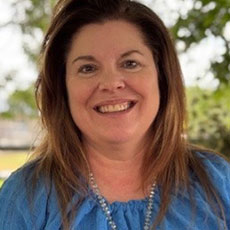
Joy Hoffman, Psy.D. (2004-2006 Fellow)
Education: Chicago School of Professional Psychology (PhD in Clinical Psychology, APA-Accredited Program)
Internship: Clarke Institute of Psychiatry (APA-Accredited Internship; currently Center for Addiction and Mental Health)
Current Position: Cook Children’s Medical Center Northeast Clinic, Licensed Psychologist and Clinical Manager
Experience: “My time as a post-doctoral fellow was immensely valuable and helpful. I grew as a clinician, person, and developed life-long mentoring relationships and connections. I came from a previous background working in large hospital settings and was challenged to find tremendous diversity and complexity in cases presenting for assessment. That, combined with amazing supervision, is exactly what you hope for in a training experience.”
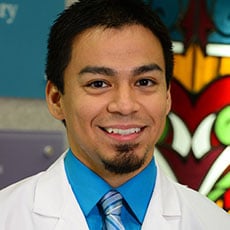
Andrew Martinez, Ph.D. (2012-2014 Fellow)
Education: Texas A&M University (PhD in School Psychology, APA- and NASP-Accredited Program)
Internship: Fort Worth Independent School District (APA- Accredited Internship)
Current Position: CHRISTUS Children’s Hospital, Neuropsychologist and Clinical Director of the Autism Program
Professorship: Baylor College of Medicine, Assistant Professor of Pediatrics
Experience: “My career experiences, especially my fellowship at Cook Children’s, provided me with the necessary training and expertise to establish the neuropsychology practice and co-establish the Autism program at CHRISTUS Children’s. Although I have been out of training for more than 10 years, I still seek consultation from former colleagues and mentors at Cook Children’s.”

Amanda Smith, Ph.D. (2015-2017 Fellow)
Education: Texas Women’s University (PhD in School Psychology, APA- and NASP-Accredited Program)
Internship: Lake Dallas Independent School District (APA- Accredited Internship)
Current Position: Cook Children’s Medical Center Denton Behavioral Health Clinic, Licensed Psychologist
Experience: “The postdoctoral fellowship at Cook Children’s helped prepare me for a smooth transition from School Psychology to Clinical Psychology. It also gave me a strong understanding of the relationship between medical and psychological factors that contribute to a person’s overall wellbeing.”
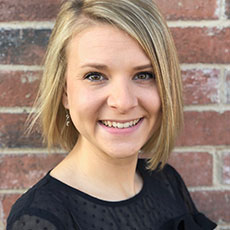
Whitney Appleby, Ph.D. (2016-2018 Fellow)
Education: Texas Women’s University (PhD in School Psychology, APA- and NASP-Accredited Program)
Internship: Cypress-Fairbanks Independent School District (APA- Accredited Program)
Current Position: Cook Children’s Medical Center Denton Behavioral Health Clinic, Licensed Psychologist
Experience: “My training experience through the Cook Children’s Fellowship program was invaluable to my growth as a licensed psychologist as it expanded my understanding of neuropsychological underpinnings of mental health concerns and treatment methodologies allowing me to better serve children with complex medical needs.”

Marissa Benners, Ph.D. (2017-2019 Fellow)
Education: Texas Women’s University (PhD in School Psychology, APA- and NASP-Accredited Program)
Internship: Fort Worth Independent School District (APA- Accredited Internship)
Current Position: Cook Children’s Medical Center Denton Behavioral Health Clinic, Licensed Psychologist
Experience: “My training opportunities at Cook Children’s were invaluable and truly shaped me into the practitioner I am today. I gained new skills and learned to develop a well-rounded perspective on neuropsychological assessment that I have carried forward into all of my work.”
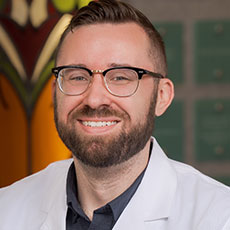
Garry Wright, Ph.D., ABPP (2019-2021 Fellow)
Education: Gallaudet University (PhD in Clinical Psychology, APA-Accredited Program)
Internship: Nationwide Children’s Hospital (APA-Accredited Internship)
Current Position: CHRISTUS Children’s Hospital, Board-certified Neuropsychologist and Principal Consultant on Inpatient Rehabilitation Unit
Professorship: Baylor College of Medicine, Assistant Professor of Pediatrics
Experience: “The diverse clinical training and experiences at Cook Children’s Medical Center provided me with the specialized knowledge and skills to not only flourish professionally as a pediatric neuropsychologist at an academic medical center but also obtain board certification in clinical neuropsychology.”

Tahnae Tarkenton Allen, Ph.D. (2021-2023 Fellow)
Education: University of Texas Southwestern Medical Center (PhD in Clinical Psychology, APA-Accredited Program)
Internship: University of Texas Southwestern Medical Center (APA-Accredited Internship)
Current Position: Cook Children’s Medical Center Prosper Specialty Clinic, Neuropsychologist
Professorship: University of Texas Southwestern Medical Center, Adjunct Assistant Professor
Experience: “The training experience at Cook Children’s for pediatric neuropsychology is exceptional due to the complexity and diversity of cases provided to our fellows. Fellows walk away from this experience with a thorough understanding of assessment, patient management, and collaborative care.”
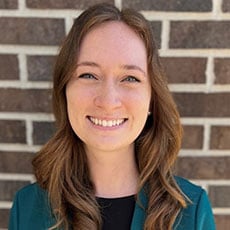
Emily Jiminez, Ph.D. (2022-2024 Fellow)
Education: Texas A&M University (PhD in School Psychology, APA- and NASP-Accredited Program)
Internship: Psychological Services Intern for Livingston County Special Services Unit (APA-Accredited Internship)
Current Position: Cook Children’s Medical Center Southlake Behavioral Health Clinic, Licensed Psychologist at the Jane and John Institute for Mind Health
Experience: “I had a wonderful experience in the Cook Children’s Neuropsychology fellowship, which played a large role in who I am today personally and professionally. I gained invaluable knowledge, high quality training on complex cases, and excellent supervision which enhanced my skills greatly.”
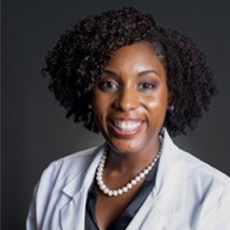
Kerry Jones Edge, Ph.D. (2023-2025 Fellow)
Education: The University of Memphis (Ph.D. in School Psychology, APA- and NASP-Accredited Program)
Internship: Kennedy Krieger Institute/Johns Hopkins School of Medicine (APA- Accredited Internship)
Current Position: Our Lady of the Lake Children’s Health, Pediatric Neuropsychologist
Experience: “My experience in the Cook Children’s Neuropsychology Fellowship Program was instrumental in my growth as a clinician in the field of neuropsychology. The training strengthened my clinical reasoning and expanded my competence in differential diagnosis, particularly within the context of complex medical and neurodevelopmental cases. I deeply value the depth of knowledge, supervision, and exposure I gained, all of which continue to inform my clinical judgment and approach to comprehensive, patient-centered care.”
Methods of evaluation
The Pediatric Neuropsychology Fellowship at Cook Children’s Medical Center utilizes a competency-based evaluation framework to assess each fellow’s progress toward independent practice in pediatric neuropsychology. Evaluation methods are aligned with profession-wide and specialty-specific competencies as outlined by APA and the Houston Conference guidelines.
Key components include:
- Formal Evaluations: Fellows receive in-person evaluations at mid-year and year-end using a structured competency rating form. These evaluations assess clinical skills, ethical practice, professionalism, communication, cultural competence, and neuropsychological knowledge and judgment.
- Evaluator Input: Feedback is gathered from the fellow’s primary supervisor and any additional supervising psychologists or medical collaborators involved in the fellow’s training.
- Self-Evaluation: Fellows complete a parallel self-assessment prior to each formal review to encourage reflection on clinical strengths, areas for growth, and goal alignment.
- Ongoing Feedback: In addition to formal evaluations, fellows receive regular informal feedback through weekly supervision sessions, case reviews, and written feedback on documentation.
- Progress Monitoring: Fellows must demonstrate satisfactory performance across all domains to remain in good standing. Individualized remediation plans may be implemented if performance concerns arise.
Grievance policy
Due process & grievance procedures: The program is committed to providing a fair, transparent, and supportive training environment. In the event of a performance concern or grievance, the following due process procedures are in place:
Performance concerns: If a supervisor identifies a significant concern about a fellow’s performance, the following steps are taken:
- The concern is discussed with the fellow directly and documented.
- A remediation plan may be developed in collaboration with the fellow, outlining specific goals, timeframes, and supervisory supports.
- Progress is reviewed at defined intervals; failure to improve may result in formal disciplinary action or dismissal, in consultation with institutional leadership.
Fellow-initiated grievances: Fellows who wish to raise a grievance (e.g., concerns about supervision, evaluation, discrimination, or working conditions) may do so without fear of retaliation.
Steps include:
- Step 1: Discuss the issue with the involved party, if comfortable.
- Step 2: If unresolved, submit a written grievance to the Training Director, who will facilitate a resolution process within 10 business days.
- Step 3: If still unresolved, the fellow may appeal to the Director of Behavioral Health or designated institutional review committee, whose decision is final.
All grievances and disciplinary matters are handled in a manner that preserves the fellow’s confidentiality, dignity, and right to due process per Cook Children's policy.
More information
This postdoctoral fellowship program in Pediatric Neuropsychology fulfills the supervised experience requirements for licensure as a psychologist in the state of Texas. Fellows receive a minimum of two hours of individual, face-to-face supervision per week from licensed psychologists who meet the Texas State Board of Examiners of Psychologists' criteria for supervisory status. Supervision is provided in accordance with the Texas Administrative Code and includes oversight of all clinical activities, ethical decision-making, and professional development. The program structure ensures that fellows gain the required postdoctoral hours in a health service psychology setting, with opportunities to accrue supervised experience in assessment, consultation, and interdisciplinary collaboration. Upon successful completion of the fellowship, graduates will have met the postdoctoral supervision requirements necessary to apply for licensure in Texas and are well prepared for licensure in most other states.